Nevada Resort Entrances Reveal Slot Placement Trends Tied to Visitor Engagement Data
Xander Meier · Nov 12, 2026
Nevada Resort Entrances Reveal Slot Placement Trends Tied to Visitor Engagement Data
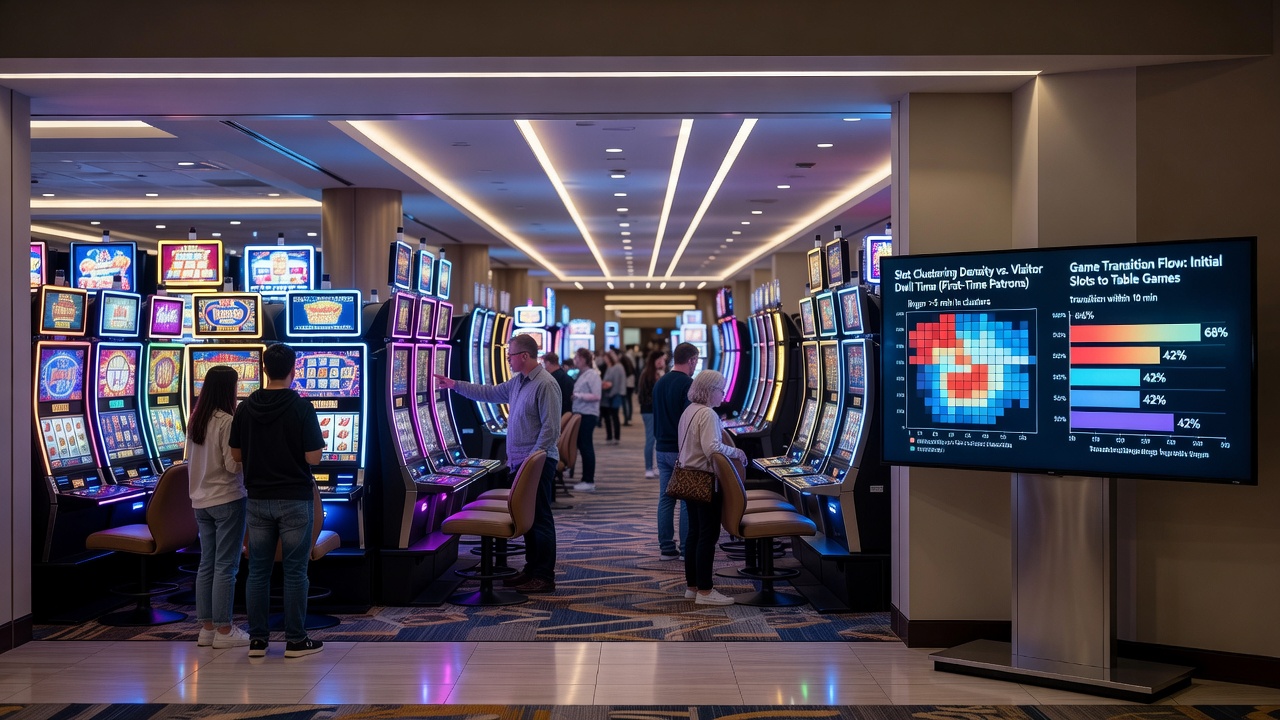
Slot machines positioned near Nevada casino entrances form distinct clusters that researchers have tracked for their effects on how first-time visitors move through the property and shift between games. Data collected across multiple Las Vegas and Reno properties shows these entry zones often contain 20 to 40 machines arranged in curved or linear banks that face inward toward the main floor, and observations indicate newcomers tend to pause here before proceeding deeper into the resort. Studies from the University of Nevada, Las Vegas have documented average dwell times in these areas ranging from 12 to 28 minutes for first-time guests during peak evening hours in 2026.
Observed Clustering Configurations
Entrance zones typically feature a mix of penny and nickel denomination slots with some higher-limit options placed at the edges of each cluster, while video poker terminals sit interspersed among the reels to create visual variety. Property management records reveal that these arrangements evolved from earlier floor plans where machines stood in straight rows, yet operators adjusted layouts after tracking software showed increased foot traffic when machines angled toward incoming visitors. In November 2026 several major Strip properties completed minor remodels that tightened these clusters by removing two to three machines from each bank, and follow-up sensor data indicated a measurable uptick in the number of guests who transitioned from entry slots to nearby table games within the first hour of arrival.
Visitor Dwell Time Patterns
First-time visitors display consistent movement sequences once they enter the slot clusters, beginning with a brief orientation pause near the threshold before selecting a machine, and researchers note that those who choose machines closest to the entrance tend to remain in the zone longer than those who walk farther into the cluster before sitting down. Carded play data from loyalty programs demonstrates that dwell times extend when machines display progressive jackpots visible from the doorway, while non-progressive banks see quicker departures. Observers have recorded that groups of two or more first-time visitors split their time between watching and playing, which lengthens overall zone occupancy compared with solo arrivals who often move on after a single spin session.
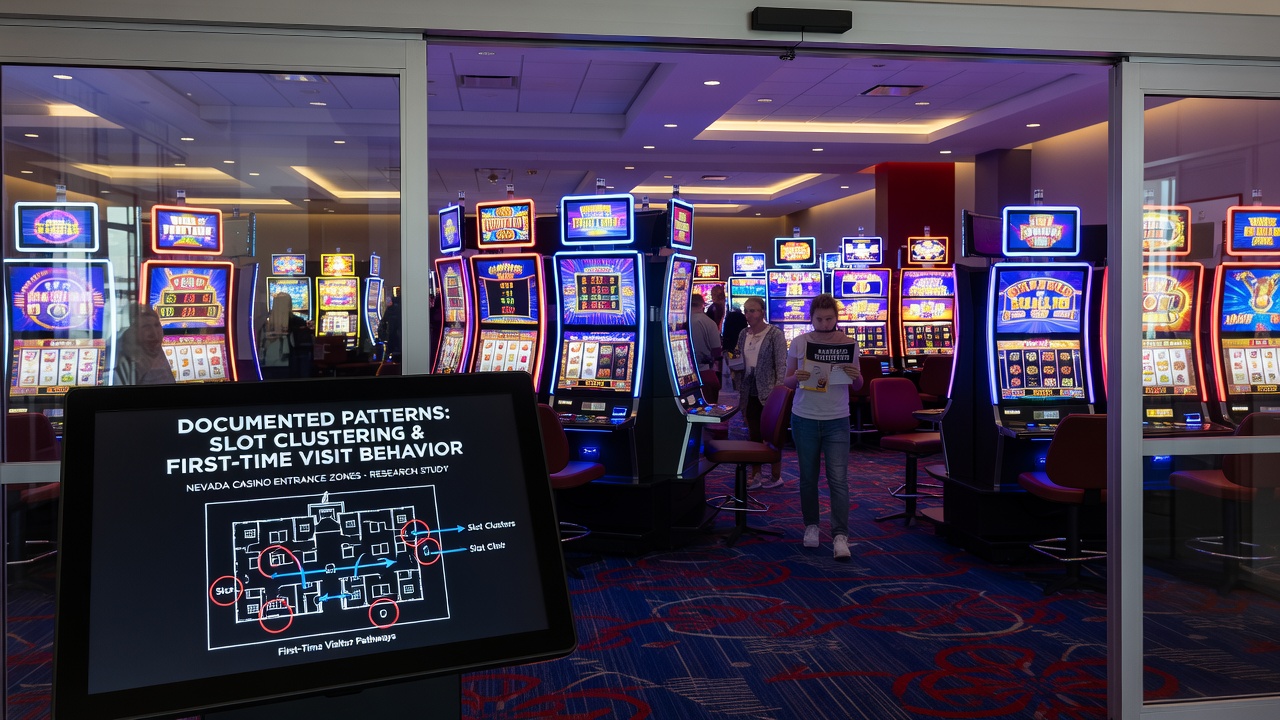
Transition rates from entry-zone slots to other machine types or table games follow predictable paths according to floor-mapping studies, with roughly 35 percent of tracked first-time players shifting to video poker or electronic table games within the same cluster before leaving the entrance area. Those who remain longer often follow established walking routes that lead past additional slot banks, and property analytics indicate these routes correlate with higher rates of multi-game engagement during the initial visit. Data from the Nevada Gaming Control Board shows overall slot handle in entrance zones rose steadily through the first three quarters of 2026, aligning with increased visitor volume recorded at major properties.
Game Transition Documentation
Researchers tracking game transitions have identified several common sequences that begin in entrance clusters and move outward, including shifts from low-denomination reels to video poker terminals and then to nearby craps or blackjack pits. Sensor networks installed in multiple resorts capture these paths with timestamp precision, revealing that first-time visitors who spend more than 20 minutes in the entry zone are more likely to attempt at least one table game before exiting the property. Floor staff reports confirm that promotional signage placed at cluster perimeters influences some of these moves, while machine availability and seat occupancy also factor into the decisions recorded by loyalty system timestamps.
Additional analysis of November 2026 visitor logs indicates that international arrivals display slightly different transition patterns than domestic first-timers, often remaining in slot clusters for shorter intervals before seeking out familiar game types elsewhere on the floor. Properties have responded by adjusting machine mixes near entrances to include more internationally themed titles, and early results from these changes appear in occupancy heat maps that show redistributed dwell times across zones.
Measurement Methods and Data Sources
Casino operators rely on a combination of RFID player tracking, overhead cameras, and mobile app location services to gather the raw numbers that underpin these patterns, and independent research teams have cross-referenced this information with guest surveys conducted at property exits. One study released through the American Gaming Association compiled entrance-zone metrics from 14 Nevada properties and found consistent correlations between cluster density and the probability of extended first-visit engagement. Those findings align with earlier work conducted by Canadian researchers examining similar layout variables in Ontario gaming venues, confirming that entrance placement exerts measurable influence regardless of regional differences in visitor demographics.
Conclusion
Documented patterns continue to guide floor planning decisions at Nevada resorts as operators refine entrance zone designs based on accumulating dwell time and transition data. Ongoing sensor installations and loyalty program analytics provide fresh inputs each month, allowing properties to test incremental adjustments while maintaining the core clustering approach that has become standard across the state. These measured modifications reflect a sustained focus on how initial visitor interactions with slot arrangements shape subsequent movement through the broader casino environment.