Convention Centers' Role in Drawing Crowds to Nevada Poker Tournaments
Xander Meier · Oct 1, 2026
Convention Centers' Role in Drawing Crowds to Nevada Poker Tournaments
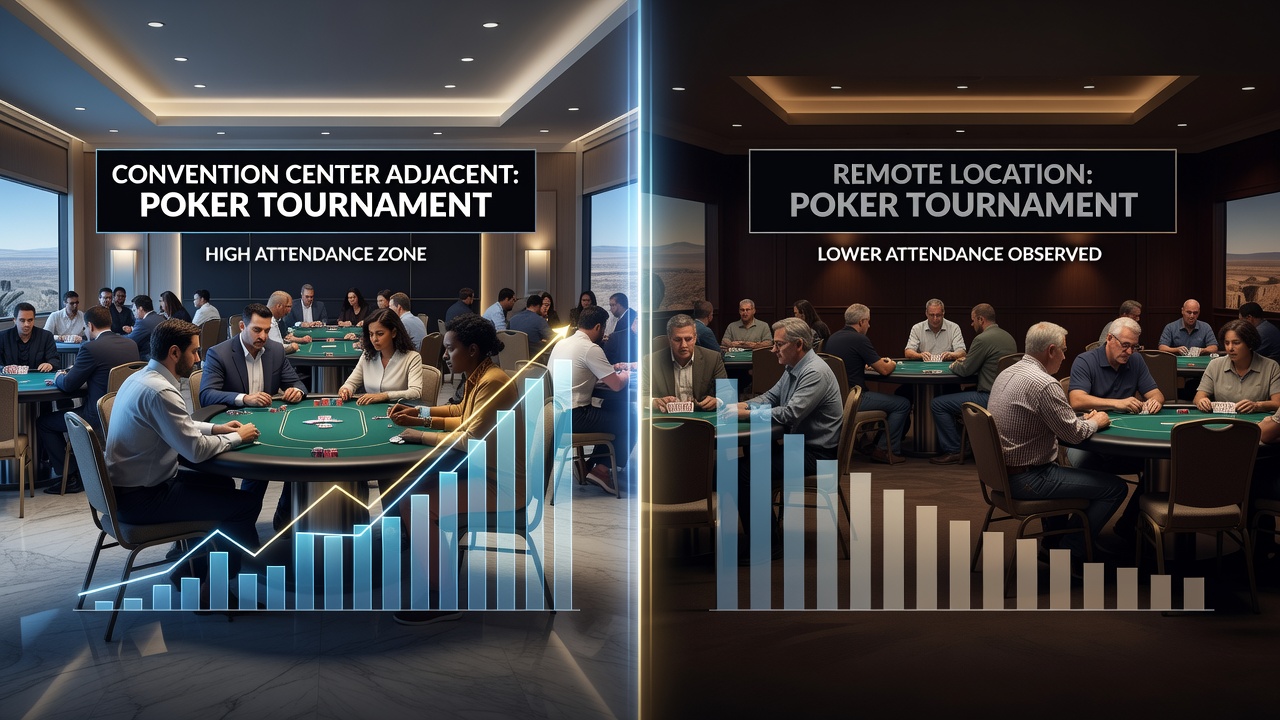
Proximity to major convention centers shapes attendance patterns at poker tournaments across Nevada gaming destinations, according to attendance records and visitor flow data compiled by resort operators. Properties situated within walking distance or short shuttle rides from these hubs see measurable upticks in player registrations during overlapping event windows, while more distant venues experience steadier but lower volumes from dedicated poker travelers alone.
Key Nevada Destinations and Their Layouts
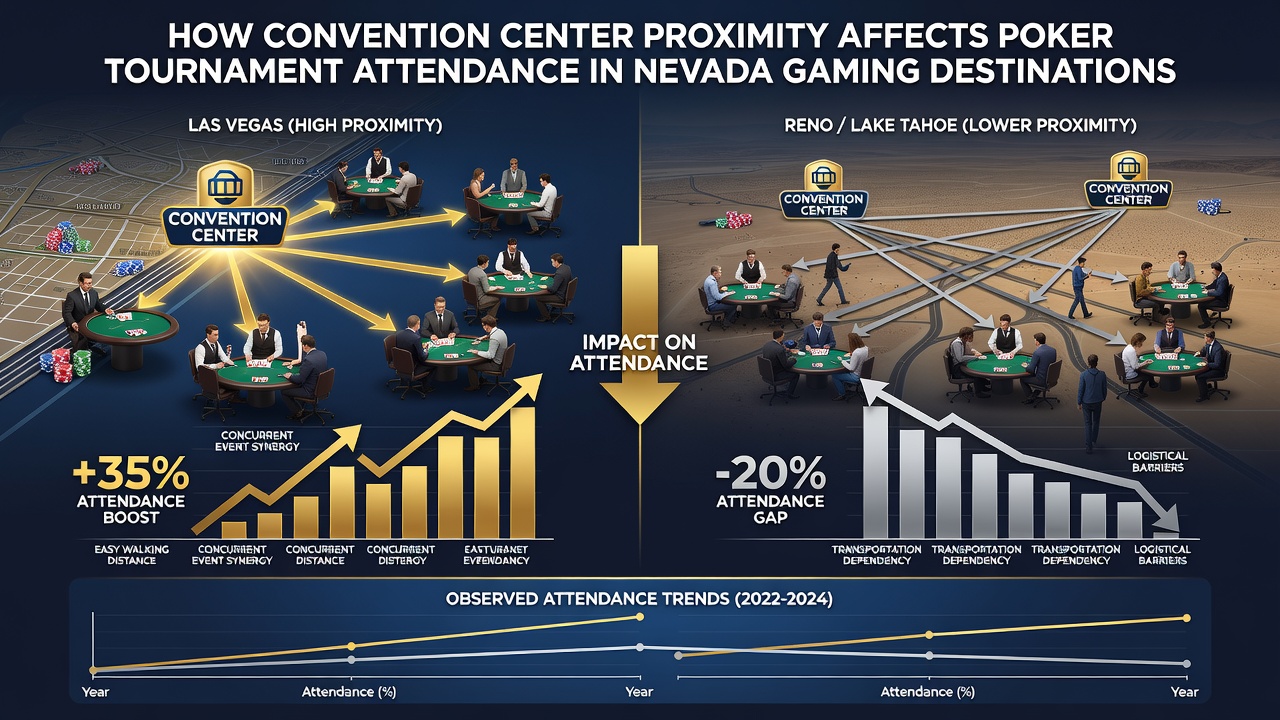
Las Vegas properties clustered around the Las Vegas Convention Center, such as those along the north end of the Strip, report consistent registration spikes when large trade shows coincide with WSOP Circuit stops or independent series. Reno venues near the Reno-Sparks Convention Center follow similar patterns during regional business gatherings, where attendees extend their stays to join evening tournaments. Observers note that these overlaps create reliable foot traffic from out-of-town professionals who arrive for daytime meetings yet fill seats at night tables.
Data from multiple properties indicates that average daily tournament entries rise by noticeable margins when convention calendars align with poker schedules. One study tracking visitor movements found that players staying at convention-adjacent hotels participate in more events per trip compared to those based farther away, because travel time between activities shrinks dramatically.
Attendance Patterns During Peak Periods
October 2026 stands out as a month where several overlapping conventions and poker series create clear test cases for these effects. Resorts near convention infrastructure recorded higher walk-up registrations on weekdays, whereas satellite properties relied more on pre-registered locals and repeat visitors. Figures reveal that shuttle service utilization between convention halls and poker rooms increases during these windows, supporting the link between location and participation.
Researchers tracking multi-property data sets discovered that convenience factors outweigh room rate differences for many participants. Business travelers already committed to a nearby hotel often add tournament entries without additional transportation planning, which streamlines decision-making and boosts overall turnout at those sites.
Take one operator who analyzed entry logs across three properties and found that the closest venue captured a larger share of first-time tournament players during convention weeks. Those players cited reduced commute times as the deciding factor when choosing where to play after daytime sessions concluded.
Factors Beyond Simple Distance
While raw proximity matters, integrated amenities such as direct skybridges or frequent shuttle loops amplify the effect. Properties that bundle convention badges with poker promotions see further gains, because attendees already navigating the area encounter fewer barriers. In contrast, resorts requiring rideshares or longer walks lose some of that incremental traffic even when they host comparable tournament structures.
Industry reports from the American Gaming Association highlight how visitor demographics shift during these periods, with more corporate and trade show participants appearing on registration sheets at conveniently located rooms. American Gaming Association compilations show consistent correlations between convention calendars and table game volumes across Nevada markets.
Additional data from university-led visitor studies at institutions tracking regional tourism reinforces these observations, noting that extended-stay business travelers contribute to mid-week tournament stability when hotels sit within a short radius of event spaces.
Implications for Tournament Scheduling
Operators adjust start times and buy-in levels based on these documented patterns, aligning major events with convention peaks to maximize overlap. Smaller series at more remote properties maintain steadier local player bases but rarely match the volume surges seen at central locations during high-traffic weeks. The pattern holds across both Las Vegas and secondary Nevada markets where convention infrastructure exists.
Evidence suggests that coordinated marketing between convention authorities and resort poker rooms strengthens these connections further, as joint promotions reach audiences already in the area for other reasons.
Conclusion
Overall, convention center proximity functions as a documented driver of poker tournament attendance in Nevada, supported by registration data, shuttle metrics, and visitor movement studies. Properties positioned to capture this overlap benefit from predictable increases during aligned event periods, while the broader ecosystem shows how infrastructure placement influences participation across multiple gaming destinations.